
By Dr. Zachary LaVigne, Any Spine Chiropractic & Massage Studio
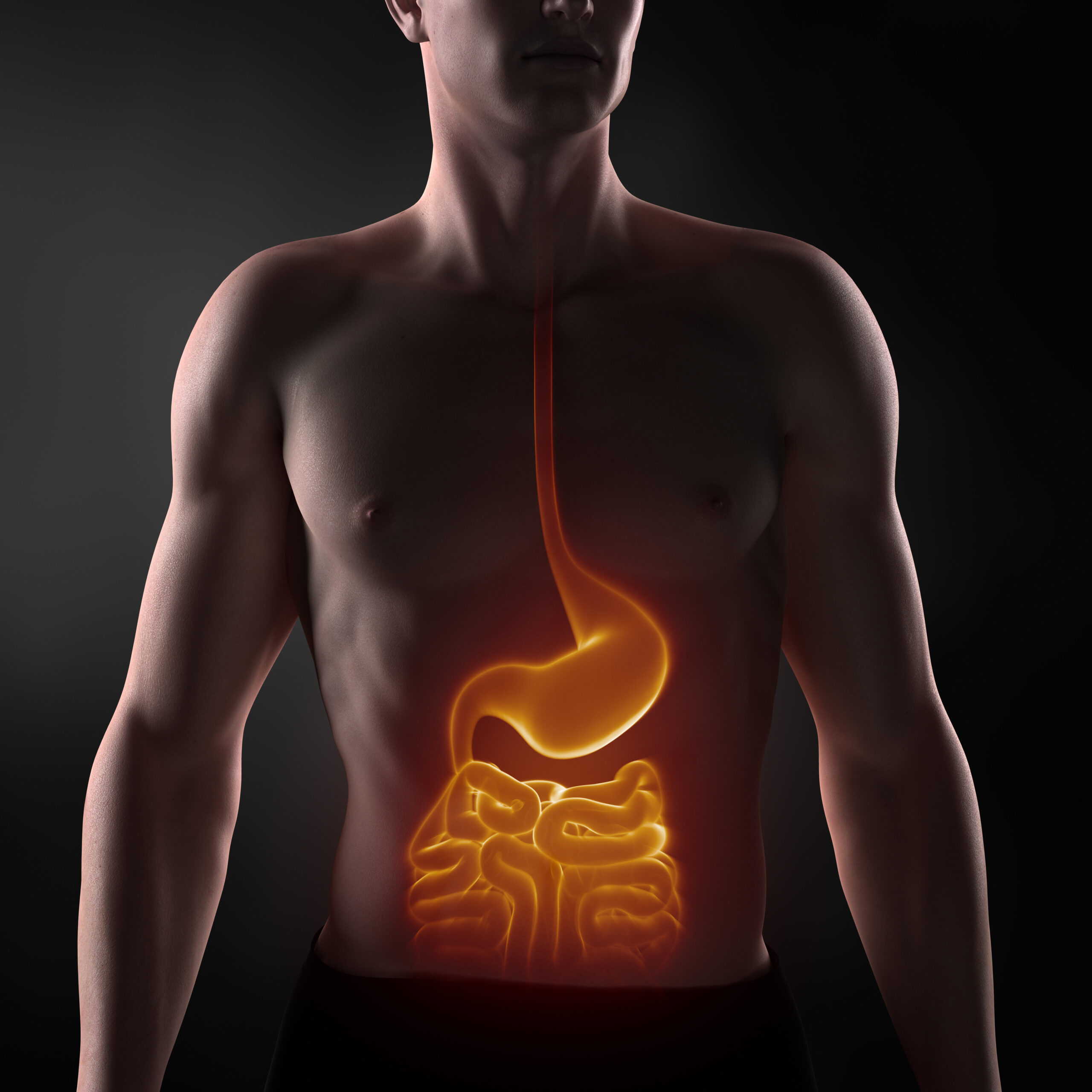
You think you’re one person. You’re not. You’re a walking ecosystem, a collaboration between one human and roughly 38 trillion microbes, most of them living in your gut. They outnumber your own cells. They have their own DNA. And they have a say in how you feel, what you crave, and whether you get sick.

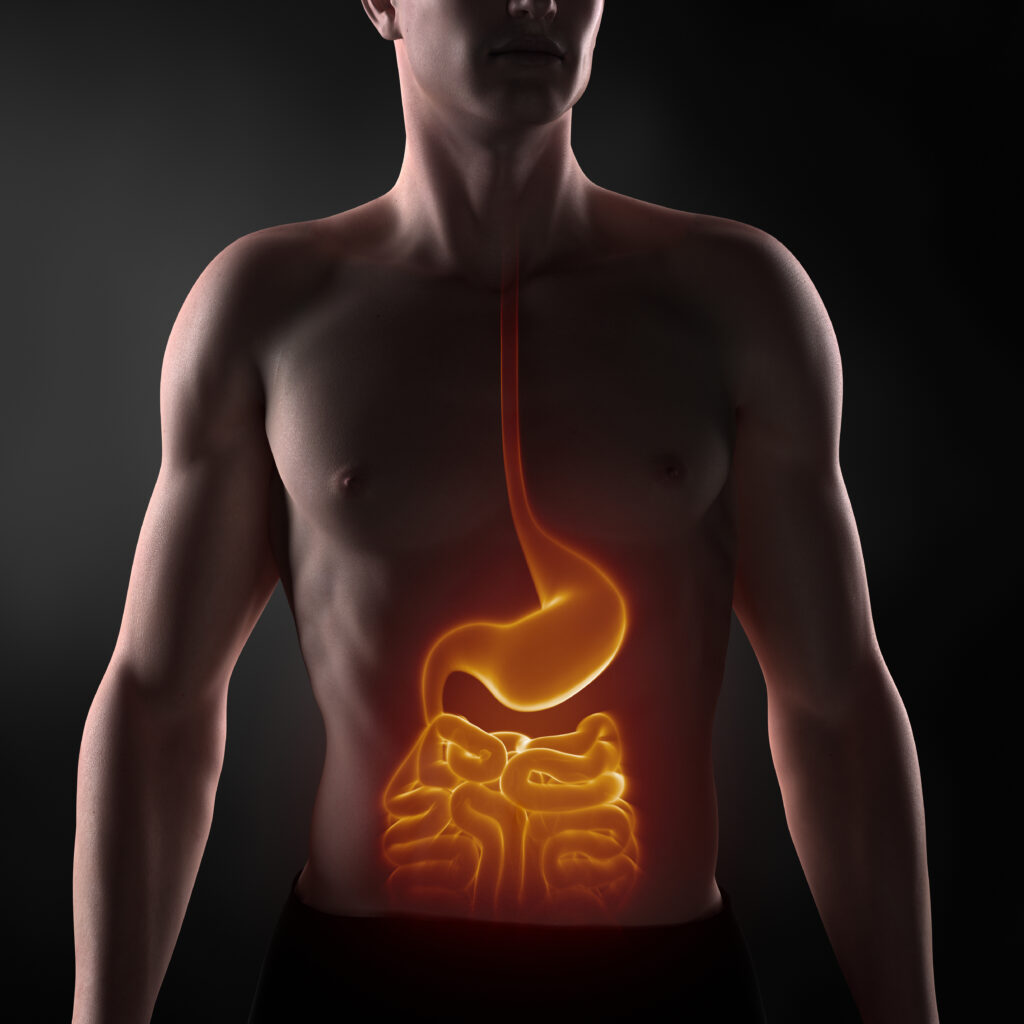
This isn’t a metaphor. It’s biology. Your microbiome, the collective term for all those bacteria, fungi, and viruses living inside you, has been with us since before we were fully human. It co-evolved with us. It helped us digest tough plant fibers that our own enzymes couldn’t handle. It trained our immune systems to distinguish friend from foe. It even produces neurotransmitters like serotonin and dopamine, chemicals we associate with mood and motivation.
For most of human history, we fed it well. Fiber-rich plants. Fermented foods. Dirt on our hands and vegetables. A steady supply of what it needed to thrive. In return, it kept us healthy.
Then we cleaned up.
The Sterilization Project
Modern life has waged a quiet war on microbial diversity. Antibiotics (lifesaving, yes, but also indiscriminate) wipe out beneficial bacteria along with the bad. Processed foods, stripped of fiber, starve the species that depend on it. Hand sanitizer. Antibacterial soap. C-sections and formula feeding, which skip early microbial seeding. Even the chlorine in our drinking water has an opinion about what survives in your gut.
The result? A less diverse microbiome. And diversity matters. A healthy gut is like an old-growth forest: resilient, balanced, full of species that keep each other in check. A depleted one is a monoculture, vulnerable and easily overtaken by opportunists.
Studies link low microbial diversity to obesity, diabetes, autoimmune diseases, depression, and anxiety. Your gut bacteria help regulate inflammation, synthesize vitamins, and communicate directly with your brain via the vagus nerve. When they’re struggling, you feel it.
What They Want
Your microbiome doesn’t need probiotics from a $40 bottle. It needs food. Specifically, fiber: the kind found in vegetables, fruits, legumes, and whole grains. When beneficial bacteria ferment fiber, they produce short-chain fatty acids that strengthen your gut lining, reduce inflammation, and regulate your immune system.
Fermented foods help too. Yogurt, kimchi, sauerkraut, miso. They deliver live bacteria and teach your immune system what friendly looks like. Variety also matters. The more different plant foods you eat, the more species you support.
And maybe ease up on the sterilization. Let your hands touch dirt. Don’t nuke your gut flora every time you have a sniffle. Antibiotics have their place, but they’re not casual.


IG: @anyspine
The Vote You Didn’t Know You Cast
Here’s the strange part: your gut microbes might be influencing what you want to eat. Some species thrive on sugar and send signals that make you crave it. Others prefer fiber and reward you with steady energy and good mood when you comply. You think you’re choosing the donut, but part of that urge might be a lobbying effort from the sugar-loving faction in your colon.
We spent millennia building this relationship. It’s worth tending.