

By Dr. Zach LaVigne

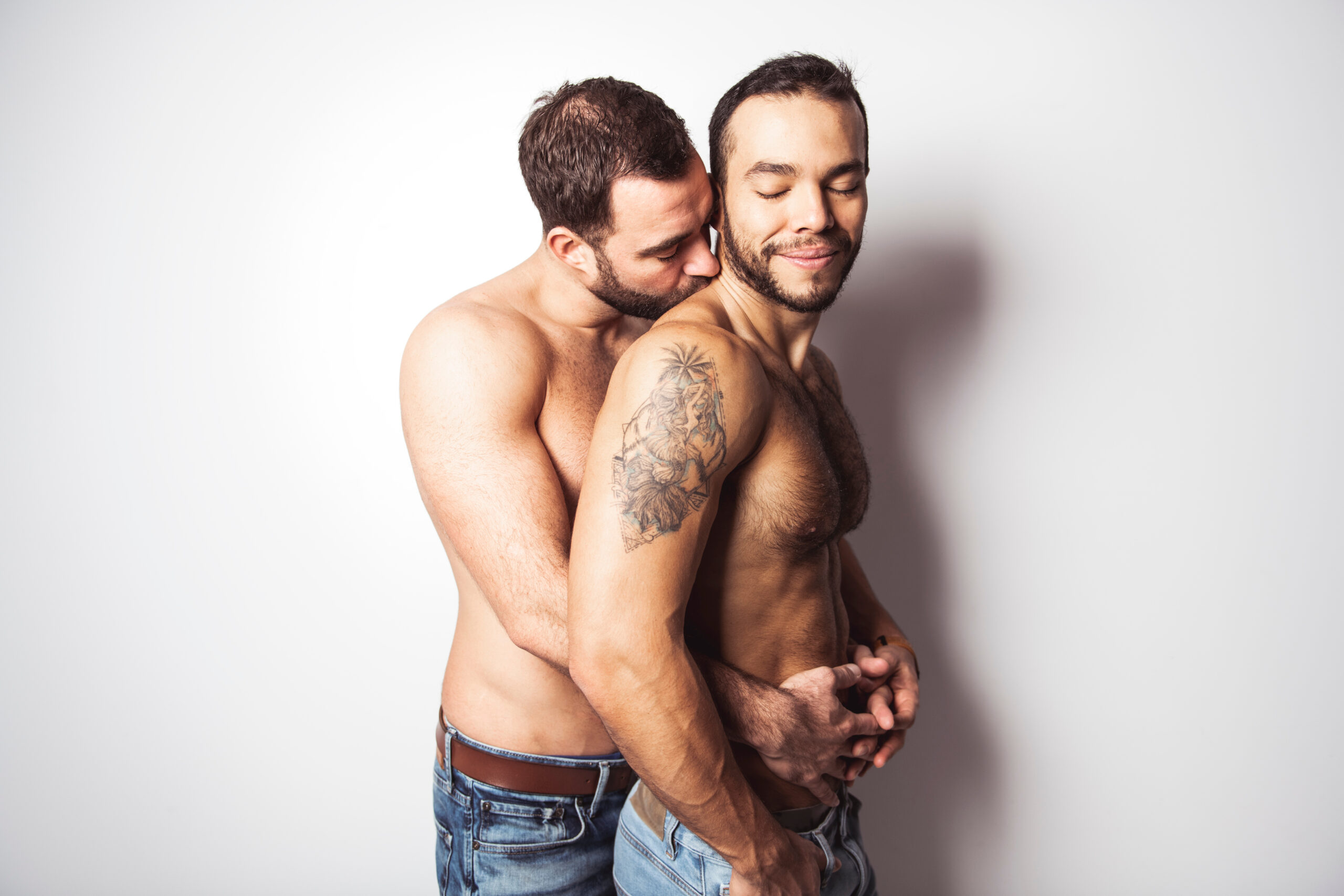
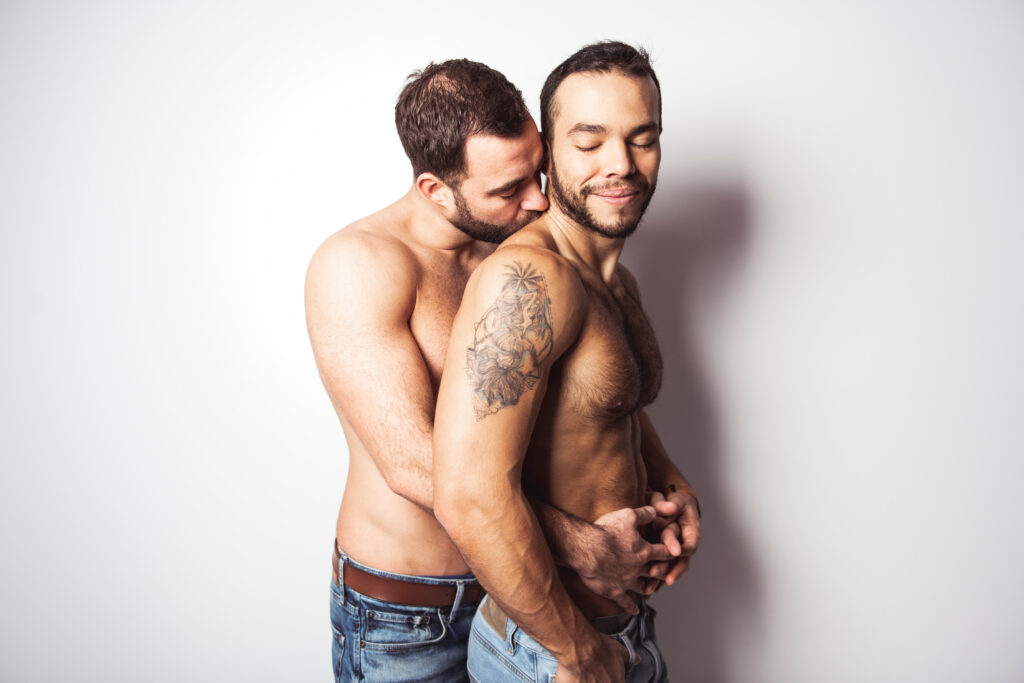
There’s a certain pride some of us take in saying, “I’m not a touchy person.” No hugs, please. Personal space respected. We frame it as a personality trait or as a boundary we worked hard to earn. Fair enough. But the body doesn’t really care about our personal branding. It still expects contact.
Touch is one of the oldest biological languages we have. Long before words, before logic, before anyone talked about boundaries, pressure, and contact told the nervous system one essential thing: you’re safe enough to stay alive. That wiring never went away. We just learned how to override it.
Modern life is strangely touchless. We tap glass screens, work through keyboards, sit in climate-controlled boxes, and outsource physical labor to machines. Many adults go days without meaningful physical contact, then wonder why they feel edgy, disconnected, or constantly tired. That’s not a personal failure. It’s a sensory gap.
Pressure and touch regulate the nervous system in very practical ways. They lower baseline muscle tension, reduce stress hormone output, and help the brain understand where the body actually is in space. That last part matters more than people realize. A nervous system that can’t feel itself clearly tends to stay on alert. Vague bodies create anxious brains.

This is where massage, chiropractic, and other hands-on care fit without drifting into anything mystical. When someone applies steady, intentional pressure, the body receives clear input. Joints get compression. Muscles get feedback. The nervous system stops guessing. That’s often when breathing deepens, and thoughts slow down, not because something emotional was “released,” but because the system finally got enough information to stand down.
Casual touch used to cover a lot of this. A hand on the shoulder. Sitting close. Working alongside other bodies. Many queer people, especially those who grew up when safety was less guaranteed, lost access to that early on. Touch was policed, sexualized, or punished. You learned quickly to keep your hands to yourself, to stay guarded, to take up less space. Those strategies made sense at the time. The nervous system remembers them.
Even now, in safer rooms, some bodies never fully unlearn the vigilance. You might crave closeness and tense up at the same time. You might like the idea of touch but brace when it happens. That doesn’t mean you’re broken or avoidant. It means your body adapted intelligently to the environment it was given.
Hands-on care can act as a middle ground. It’s structured, consensual, time-limited, and purposeful. There’s a table. There’s a plan. There’s permission. For many people, that’s the first place their body relearns that contact doesn’t demand performance, explanation, or emotional exposure beyond what’s agreed upon.

This isn’t about forcing hugs or turning everyone into a cuddle enthusiast. Some people genuinely don’t enjoy social touch, and that’s fine. But pressure still matters. Weighted blankets. Firm massage. Joint work. Lying on the floor. Letting gravity do some of the holding. These meet a biological need without crossing personal lines.
The body was built to be touched by the world. Ground. Tools. Other humans. When that input disappears, the system compensates with tension and noise. Bringing touch back, carefully and on your own terms, doesn’t make you needy or soft. It makes you biologically complete.


