
By Dr. Zachary LaVigne, Any Spine Chiropractic & Massage Studio
The story we tell about chronic disease goes like this: it runs in the family. Your genes loaded the gun and time pulled the trigger. It is a narrative that feels honest and lets everyone off the hook. The problem is the science does not support it. Most of what is killing Americans right now was not inevitable. It was built, by the lives we are living and the world we built to live them in.
Here are the ten leading causes of death in the United States right now: heart disease, cancer, unintentional injury, stroke, chronic respiratory disease, Alzheimer’s, diabetes, kidney disease, liver disease, and suicide. Ten categories. Millions of deaths every year. And for the biggest chronic killers on that list, inherited genetic mutations account for only about 5 to 10 percent of cases. Roughly 5 percent of heart disease. Around 5 to 10 percent of the most common cancers. As few as 1 to 5 percent of Alzheimer’s. For liver disease, kidney disease, and chronic respiratory conditions, the genetic contribution is even smaller. The rest, in nearly every case, traces back to environment, behavior, chronic stress, and the slow mismatch between ancient bodies and modern life.
The Diseases Are Modern. The Body Is Not.
Heart disease, stroke, type 2 diabetes, and most metabolic disorders were essentially unheard of in pre-industrial populations. Not because those people were lucky, but because their environments demanded things from their bodies that ours no longer do: daily movement, real sunlight, social belonging, and genuine rest. When you remove those inputs, the body does not simply adapt. It accumulates damage quietly, over years, until the damage has a name.
Chronic respiratory disease tracks closely with air quality and decades of smoking. Liver disease and kidney disease are overwhelmingly driven by alcohol, metabolic dysfunction, and high blood pressure left unmanaged. Alzheimer’s is now being linked to sleep deprivation, chronic inflammation, and cardiovascular health. Cancer is the most complex on the list, but environmental exposures, diet, and lifestyle remain the dominant drivers for most types. Even unintentional injuries and suicide, which look different on the surface, are outcomes of a society under sustained pressure. They are not random. They follow stress, poverty, isolation, and despair.
The Environment Inside You
Chronic stress sits underneath nearly every condition on that list. When your nervous system is stuck in threat mode, it drives inflammation, disrupts blood sugar, degrades sleep, strains the cardiovascular system, and suppresses immune function. The body handles acute stress well. A chase, a loss, a confrontation. It was not designed to sustain decades of financial anxiety, social exclusion, and low-grade dread.
For LGBTQ+ people, this is not abstract. Research consistently shows that minority stress, the chronic load of navigating a world that has treated your existence as a problem, produces measurable damage to physical health. The heart does not distinguish between a predator and a hostile culture. It responds the same way.
What the Genes Actually Do
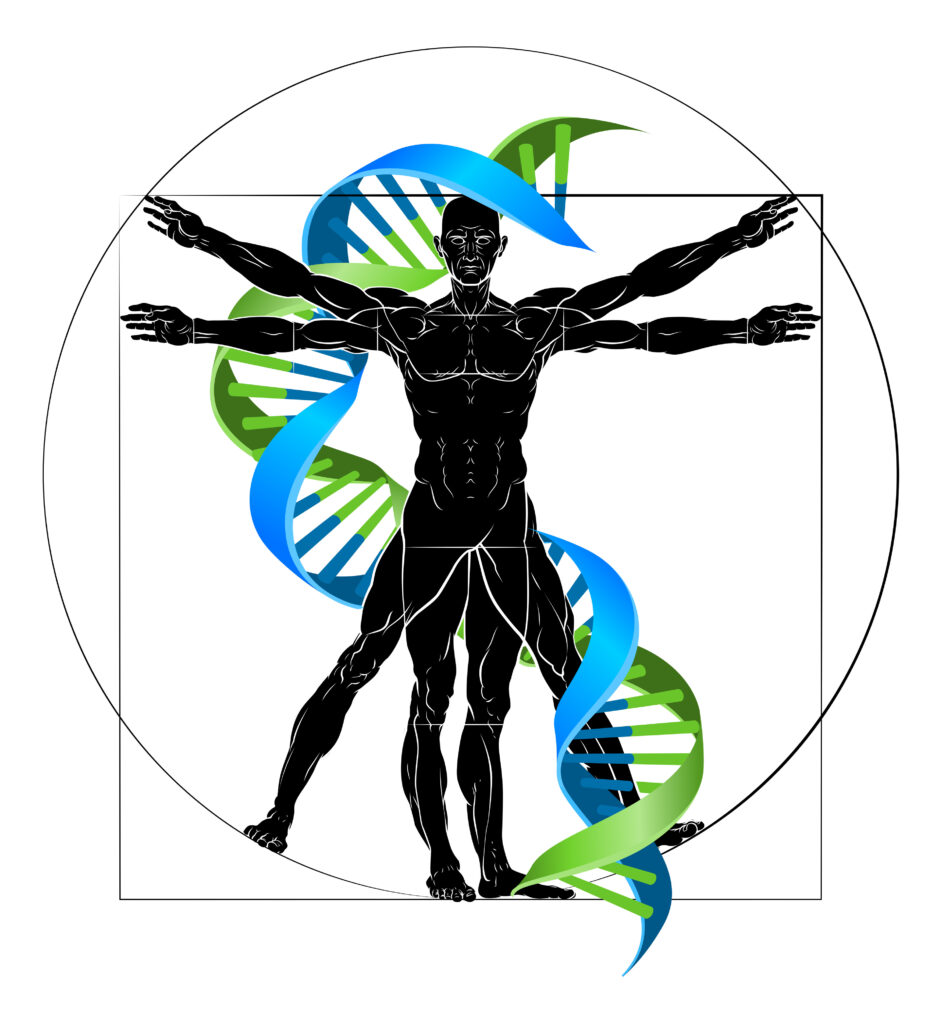
Your DNA is less a fixed blueprint and more a set of switches. What flips those switches is called epigenetics, shaped by sleep, movement, food, relationships, and stress. Genetic risk adjusts the odds. It does not write the outcome.

Owner of Any Spine Chiropractic & Massage Studio
IG: @anyspine
If environment drives 90 percent of chronic disease, then the failures of a sick population are not personal failures. They are structural ones. Bad food is cheaper. Green space is unevenly distributed. Rest is undervalued. Belonging is harder to find than it should be.
Most of what is killing us was never inevitable. That is not a small thing to know.