
Edited by Mikkel Hyldebrandt
For many LGBTQ+ people, pets are more than companions. They are family, emotional support systems, daily routines, and sometimes even lifelines. In a world where queer people have historically had to build chosen families and carve out spaces of comfort and belonging, the bond between LGBTQ+ people and their pets can take on an especially profound meaning.
Walk through any Pride festival and you are likely to spot dogs in rainbow bandanas, cats featured prominently on dating profiles, or conversations about “pet custody” that sound remarkably similar to co-parenting discussions. It may sound playful on the surface, but beneath the humor is something deeply sincere: for many queer people, pets provide unconditional love in ways that can feel uniquely healing.
That connection is rooted partly in history. LGBTQ+ people have long experienced periods of rejection from biological family, isolation from traditional support systems, or social stigma that created feelings of loneliness. While society has become more accepting in many places, those emotional realities have not disappeared entirely. Pets often become anchors during difficult transitions – coming out, moving to a new city, navigating heartbreak, or simply building a life that feels authentically your own.
Unlike human relationships, pets do not ask for explanations. They do not care who you love, how you identify, or whether your gender presentation changes over time. They simply show up every day with affection, familiarity, and trust. That kind of uncomplicated connection can feel incredibly powerful for people who have spent portions of their lives feeling scrutinized or misunderstood.
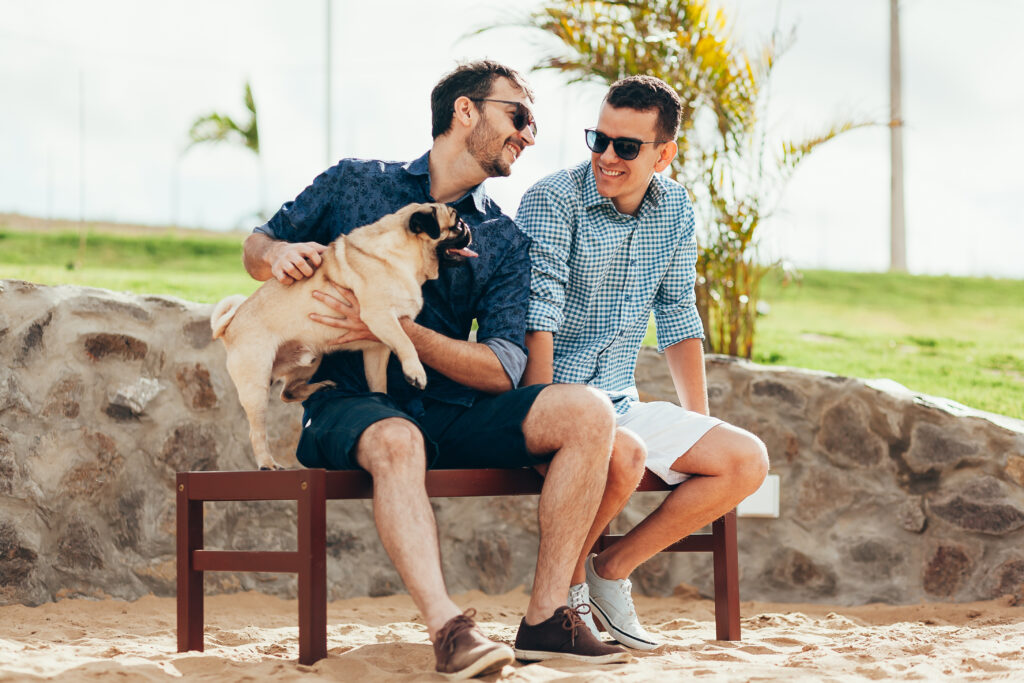
There is also the reality that LGBTQ+ adults are statistically more likely to live alone, particularly in urban areas where many queer communities flourish. For single queer adults, a pet can transform an apartment from a temporary living space into a true home. The routine of feeding a dog in the morning, hearing a cat greet you at the door, or planning your weekend around a trip to the park creates stability and emotional grounding.
For queer couples, pets often become symbolic extensions of the families they are intentionally creating. Before marriage equality became law nationwide, many LGBTQ+ people built lives together without the legal or cultural recognition automatically granted to heterosexual couples. Pets were frequently part of those early family structures, representing commitment, care, and shared responsibility long before society fully validated those relationships.
Even now, many LGBTQ+ millennials and Gen Z adults are delaying or reimagining parenthood altogether. Pets often fill an emotional role that mirrors parenting in some ways while still allowing freedom and flexibility. Terms like “dog dad,” “cat mom,” or “pet parent” may sound trendy, but they reflect genuine emotional investment and identity for many queer people.
The mental health benefits are also significant. Studies consistently show that pets can reduce stress, anxiety, and depression. For LGBTQ+ individuals — who continue to face disproportionately high rates of mental health challenges due to discrimination and social pressures — that support can be particularly meaningful. The physical act of caring for an animal can provide structure during depressive episodes, while affection from a pet can ease feelings of anxiety or isolation.
Dogs, especially, often help queer people connect with their broader communities. Trips to dog parks, neighborhood walks, or pet-centered events create low-pressure opportunities for social interaction. In many cities, queer-friendly pet meetups and adoption events have become thriving community spaces in their own right. Pets can become social bridges, helping people form friendships and relationships that might otherwise feel difficult to initiate.
Of course, the connection is not exclusive to LGBTQ+ people. Plenty of pet owners across all identities adore their animals with equal intensity. But within queer communities, those relationships can carry additional emotional layers tied to resilience, chosen family, identity, and healing.
Perhaps that is why queer people so often speak about their pets with a mixture of humor and heartfelt sincerity. The jokes about spoiled cats or over-dressed French bulldogs coexist with something much deeper: gratitude for a presence that offers comfort without conditions.
An organization that perfectly illustrates the importance of preserving the human-animal bond is PALS Atlanta. The Atlanta-based nonprofit, whose name stands for Pets Are Loving Support, helps low-income individuals living with critical illnesses, disabilities, aging-related challenges, and HIV/AIDS keep and care for their beloved pets. Through services like pet food assistance, vaccinations, and preventative care, the organization helps ensure people are not forced to surrender animals simply because of financial hardship. PALS Atlanta was originally founded during the AIDS crisis after volunteers recognized how deeply many people relied on their pets for companionship and emotional survival. That mission still resonates strongly today, especially within LGBTQ+ communities where chosen family – including four-legged family members – can play such a vital emotional role. By helping people stay together with their pets, PALS supports not just animal welfare, but mental health, stability, dignity, and unconditional love.
In many ways, pets embody the kind of love LGBTQ+ communities have spent generations fighting for – loyal, affirming, joyful, and entirely authentic.