
Edited by Mikkel Hyldebrandt
A new queer cinematic voice emerges this spring with the release of Cherri, a visually rich and emotionally layered Cuban drama from director Fabián Suárez. Set to debut April 21 on all major streaming platforms via Breaking Glass Pictures, the film offers a poignant exploration of desire, loyalty, and emotional resilience through the life of a man who refuses to give up on love – no matter the cost.
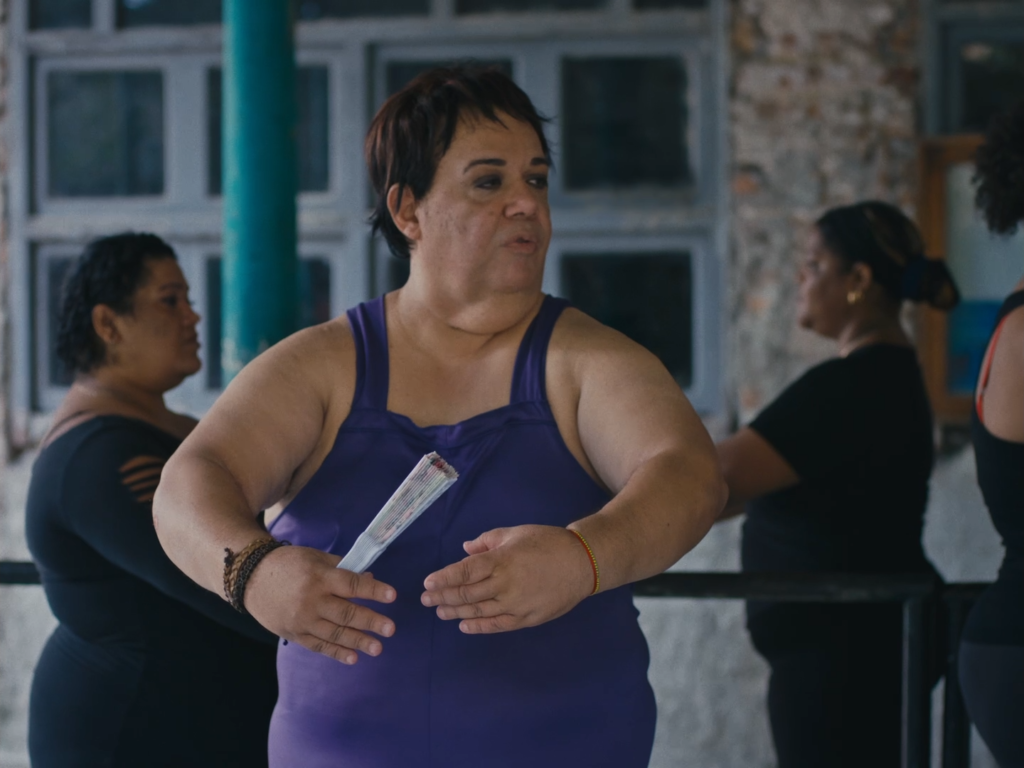
Set against the textured backdrop of Havana, Cherri follows its titular character, a flamboyant ballet lover and antiques dealer who leads a plus-size ballet troupe at a local weight clinic. His days are devoted to caring for his disabled husband, a responsibility that defines his routine and emotional world. But beneath that devotion simmers a longing for connection that resurfaces when he meets Tim, a young security guard whose attention awakens dormant desires – and dangerous possibilities.
“Cherri loves his husband whose lifeless body now needs his care,” Suárez explains. “But Cherri is still vibrant and capable of love and desire.”
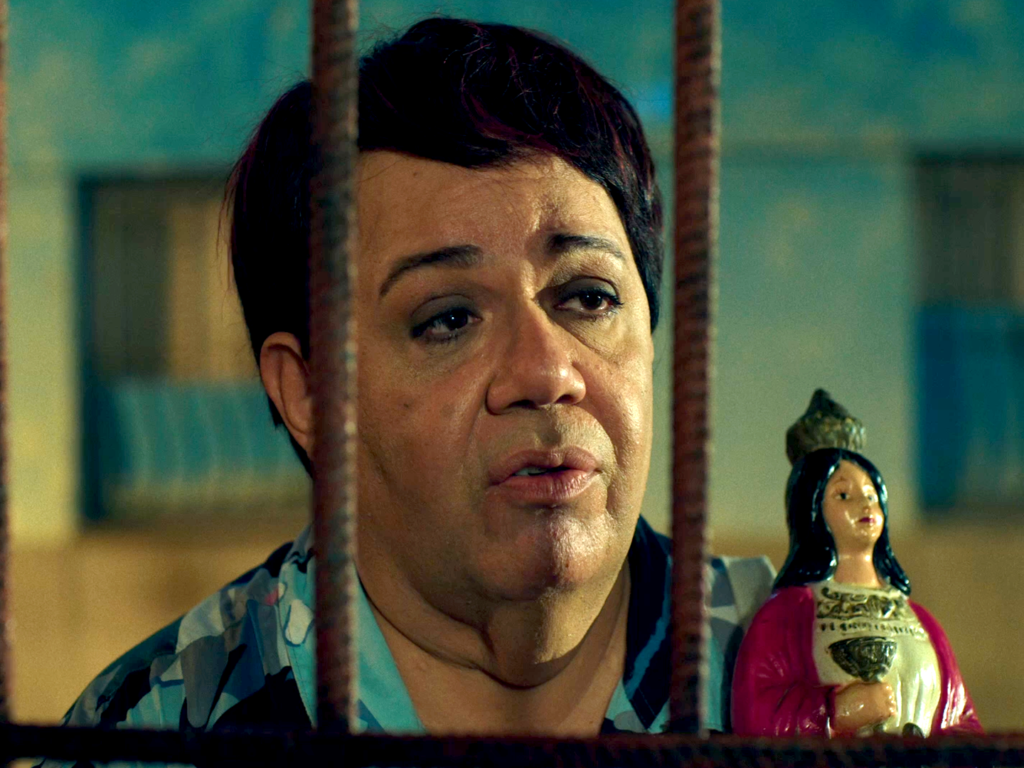

What unfolds is a delicate and at times unsettling portrait of vulnerability. Even as Cherri suspects Tim may be exploiting his affection, he leans into the emotional risk, choosing to believe in the possibility of romance. “Cherri truly longs for love. He’s an idealist who takes a chance – but life doesn’t always give you what you’re looking for,” Suárez notes.
Dance plays a central role in the film – not just as art, but as liberation. Through his leadership of a ballet troupe composed of larger bodies, Cherri challenges entrenched ideas about beauty and grace. Movement becomes both protest and sanctuary.
“Cherri is obese, yet he loves ballet,” Suárez says. “His body is heavy and light at the same time. Dance becomes a space of freedom where another way of moving – and another way of being – can exist. Just as he refuses to give up on love, he refuses to give up on dance.”
The character of Cherri is inspired by renowned Cuban dancer and choreographer Juan Miguel Más, who also stars in the title role. Suárez recalls first encountering Más during his time at the University of the Arts in Havana, an experience that left a lasting impression.
“I was surprised to see an atypical dancer on stage who shattered my preconceived notions of the Cuban school of dance,” Suárez recalls. “I immediately felt a connection with that dancer. His body is both political and artistic. It stands against the established norms of style and the misguided idea that sculpted bodies are the path to happiness.”
Beyond its intimate character study, Cherri also reflects the broader emotional landscape of contemporary Cuba. Through imagery like an empty home and the gradual selling off of possessions, the film becomes a quiet meditation on a country grappling with isolation and hardship.
“I inhabit a country that grows lonelier, poorer, and sadder every day,” Suárez says. “The image of the empty house in the film, and of Cherri parting with his valuables, becomes a metaphor for a Cuba in agony. Cherri asks how to live with loneliness and brokenness. I ask myself that same question.”
At its core, the film is a story about persistence and hope—even when love defies logic. “Ultimately, Cherri is a deeply human story about persistence, vulnerability, and hope,” says Richard Wolff of Breaking Glass Pictures. “Through its unforgettable protagonist, the film reminds audiences that love is rarely logical – but it remains essential.”
Suárez echoes that sentiment with a universal call to empathy: “You don’t need to have a large body to feel alone. What matters is the desire to love again. This film invites us to look beyond appearances and celebrate love in all its free expressions.”

How to Watch
Cherri will be available to stream on all major digital platforms beginning April 21, making it easily accessible for audiences ready to experience this tender, daring, and deeply human story.