

By Mikkel Hyldebrandt
Photos: Russ Youngblood & Courtesy of Charlie TC
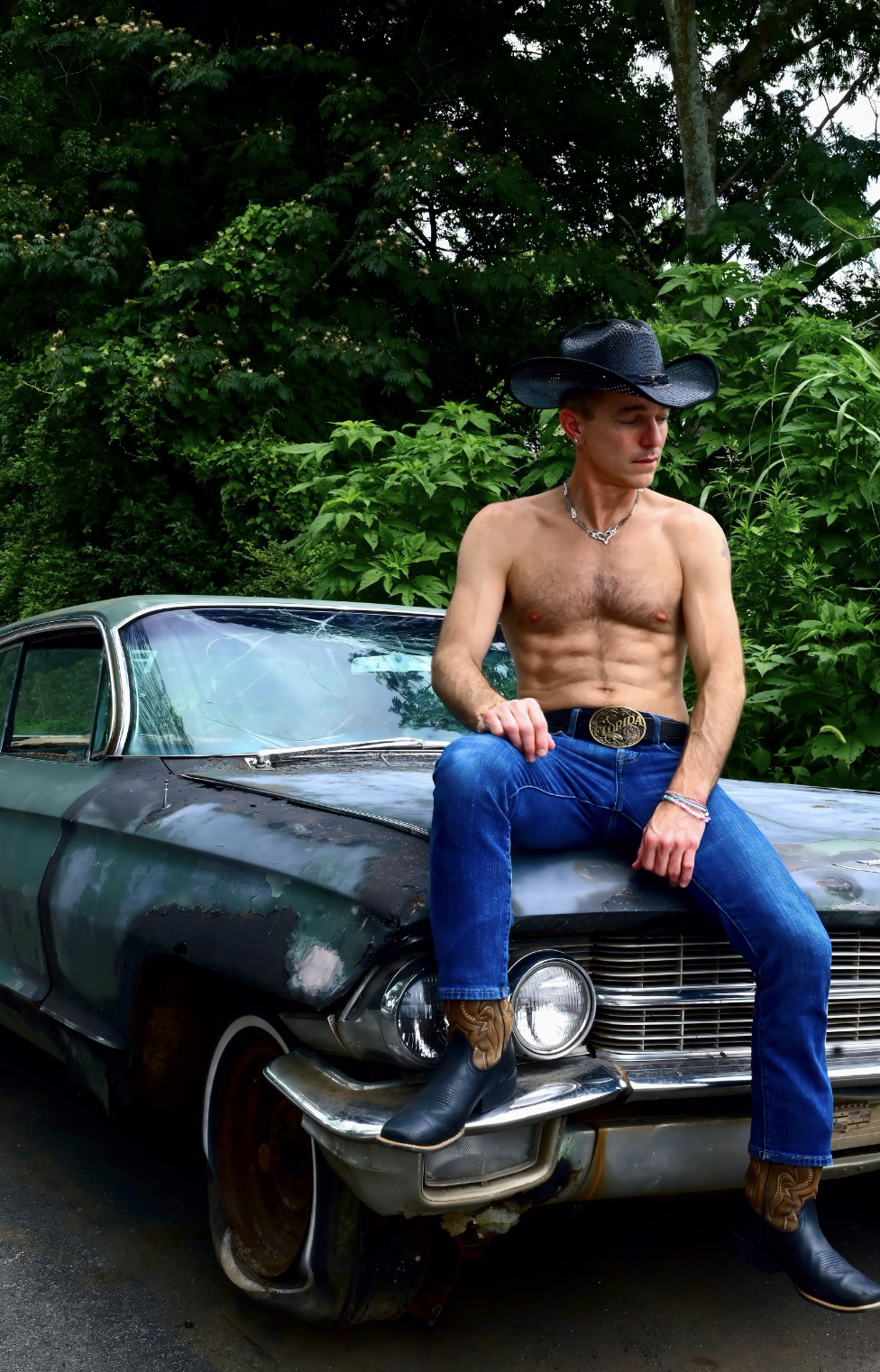
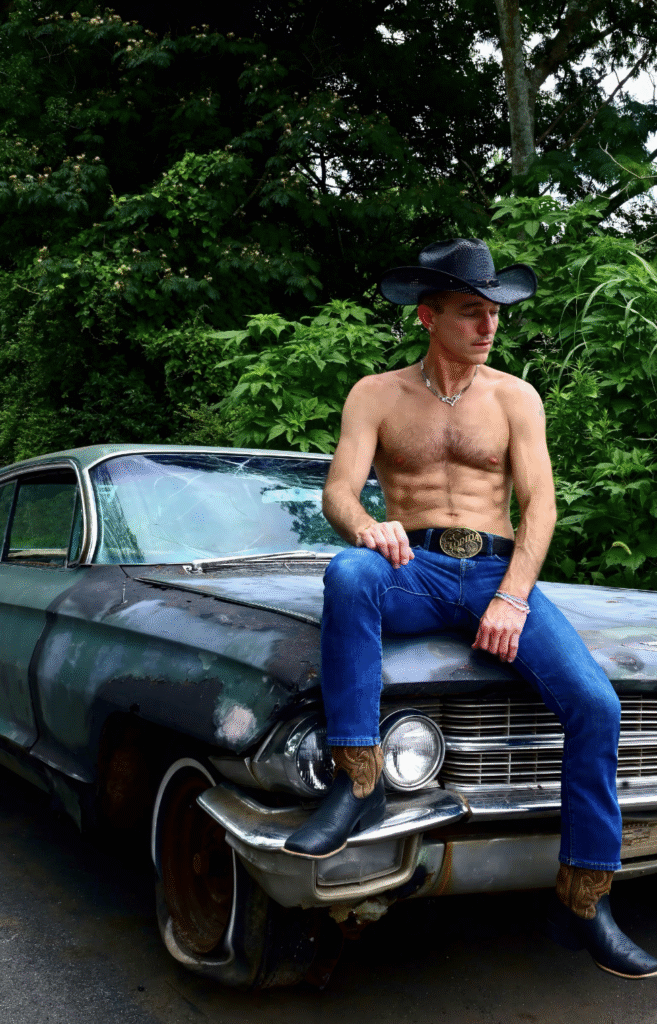
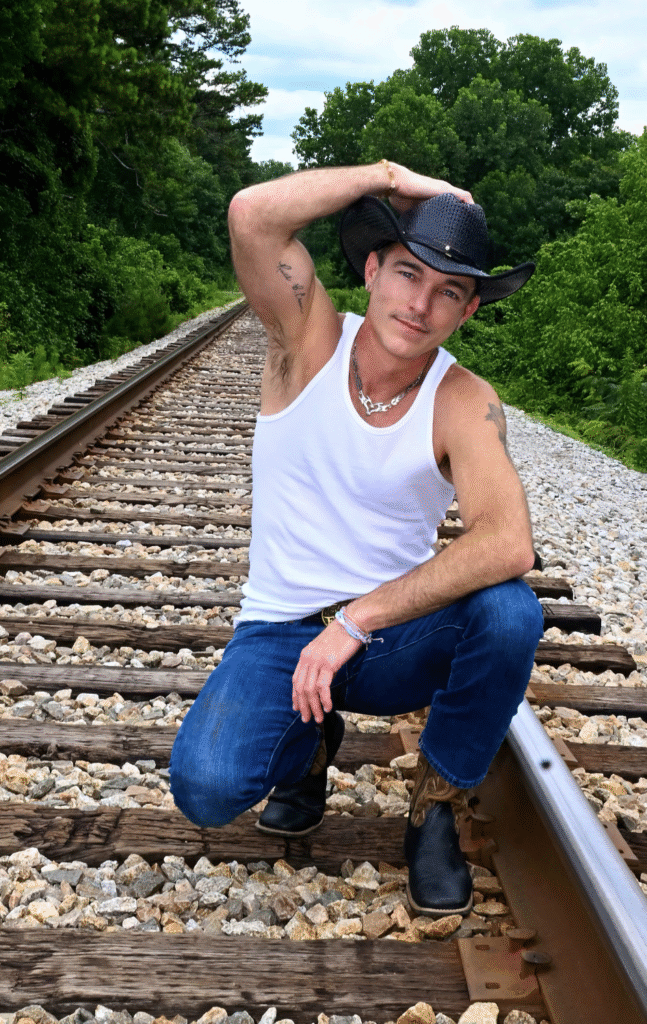
Charlie TC is an emerging singer-songwriter with deep ties to Atlanta, who recently moved to from Atlanta to Tennessee to pursue music more seriously. We got a chance to talk to him about his new music, his process, and how he uses personal experiences to write deeply relatable lyrics.

Congratulations on your new album Butterflies or a Lie that came out in May. Tell us a little bit about the concept and the idea behind your new music.
Thank you so much! I didn’t really set out to write an album about love. I think I set out to understand why love keeps unfolding the way it does for me. There’s a feeling I’ve chased more than once, something fast, bright, and impossible to ignore. The kind of connection that makes everything feel alive again. I used to call it butterflies. I used to trust it without question. But over time, I started wondering if that feeling was ever real, or if it was just part of my pattern.
This album lives inside that question. It explores the space between endings and beginnings, carrying the echoes of a ten -ear marriage while something new quietly starts to take shape. It’s about learning the difference between what feels familiar and what actually feels safe.
More than anything, this album became about self-recognition. Looking back at patterns, pain, hope, and healing, and asking myself over and over again: Can I trust this, can I trust you, can I trust myself?
Somewhere between the butterflies and the lies, I think I finally found the answer. Not in certainty or perfection, but in understanding what stays, what leaves.
You have a very distinct sound that lies somewhere between indie and pop, but an even more noticeable trait is that your lyrics seem very sincere and personal – do you draw a lot of inspiration from your own experiences?
Yes, absolutely. I’ve always liked blending and bending genres depending on what best serves the emotion of the song. I never really sit down thinking, “I want this to sound indie” or “I want this to sound pop.” I just follow whatever feels emotionally honest to the story I’m trying to tell.
Every song I write comes from a real moment, memory, feeling, or conversation that actually happened. But after my divorce, songwriting became deeper than just documenting experiences for me. Therapy completely changed the way I process emotions and taught me how to sit with them instead of running from them.
Now, instead of simply saying “I was sad” or “I was anxious,” I try to isolate what those emotions physically felt like in the moment. In my song “The Trauma Spiral,” I wrote, “my face turns pale, blood runs hot, and breath goes idle,” because I was actively in the middle of an anxiety attack while writing it. Then there are moments on the opposite side of the emotional spectrum. In my upcoming song “Lavender Light,” I wrote, “the sunrise scattered watercolors across the pines, turning Tennessee into a pastel paradise,” after experiencing a moment of happiness so overwhelming that the world around me genuinely looked softer and drenched in pastels. That’s really where my inspiration comes from. Not just life itself, but the raw emotions underneath it all. Honestly, songwriting became part of how I heal, too.
What are some notable stories behind some of your songs?
A few songs on the project have especially personal stories behind them because they each represent a different stage of emotional growth and self-awareness for me.
“You Blew It” was written after I realized that some relationships don’t end because love disappears. They end because respect does. It came from realizing I had spent too long shrinking myself to keep something alive that was already quietly breaking me. One lyric that really captures the heart of the song is, “You don’t get this version of me, not the one who stayed through everything.” To me, that line represents, that access to your heart is something you can cut off.
“Familiar Game” explores loneliness. It’s about LGBTQ nightlife, emotional escapism, and the strange comfort people could find in (sexual) routines that no longer fulfill them. The song takes place in bars, crowded rooms, and late-night conversations, but emotionally it’s really about feeling isolated. The line, “In that familiar bar with familiar sin, just trying to feel something… You can’t feel within,” probably summarizes the emotional core of the song best.
“I Know It Well” is one of the most intimate songs I’ve written because it deals with memory in such a physical way. I wrote it after realizing the hardest part of leaving someone wasn’t always the goodbye itself, but how deeply certain things linger afterward. The lyric, “Your lingering smell, oh I know it well, like a ghost of you I can’t dispel,” captures that feeling of your body still holding onto something your mind is trying to let go of.
Each song explores attachment, emotional repetition, memory, self-worth, and the complicated process of learning when let go.

What is your process when writing a song?
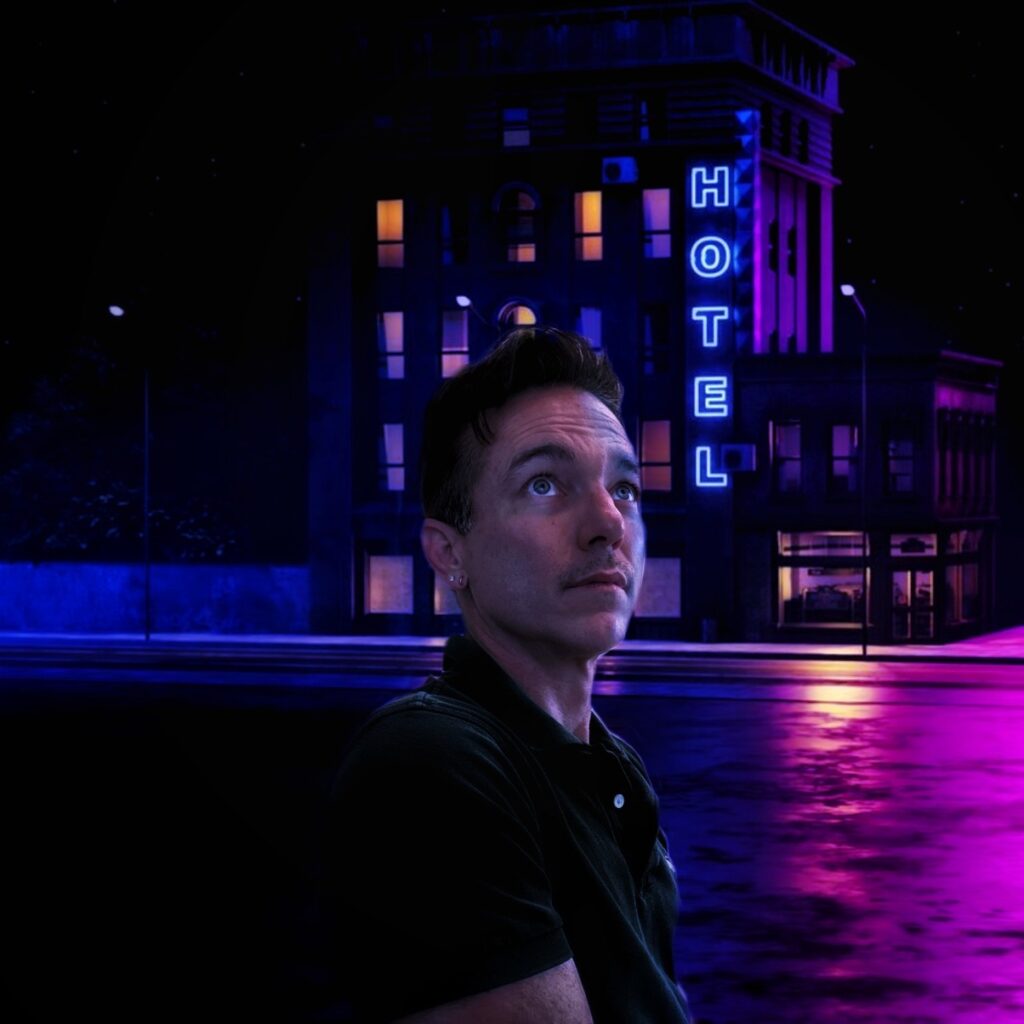
It starts with a feeling before I even have words. I’ll isolate emotions physically, visually, and almost cinematically through lighting, color, atmosphere, and sensory details. Neon lights, empty streets, thunderstorms, blurred headlights, silence after someone leaves. Those details become emotional anchors for me. I want to describe what those emotions actually felt like in my body and what they did to the world around me.
A lot of my writing comes from sensory memory. Smells, conversations, storms, late night drives, certain streets, or the feeling of someone reaching for your hand. Sometimes it’s even just a single sentence someone says, or something I say out loud that suddenly sticks in my head emotionally. I’ll immediately grab my phone, write the line down, and come back to it later. Those small details tend to unlock entire songs for me because emotions usually live inside moments we almost overlook.
Production is also a big part of my writing process because I build sound around emotional intensity. If something feels overwhelming emotionally, I want the production to feel cinematic, and emotionally over the top in the best possible way because honestly, that’s how emotions feel to me. Other times, if the lyrics feel fragile or isolated, I’ll strip everything back and let silence become part of the storytelling. Most of my songs are written, “sobbing, shaking, scribbling past midnight,” or during emotionally charged moments when something feels impossible to ignore. Over time, songwriting became more than music for me. It became emotional processing and a way to understand myself, my relationships, and emotions I didn’t know how to explain out loud.
For first-time listeners, what are some songs on the album that you would like to draw attention to?
That’s a difficult question because I really do bounce between genres depending on the emotion and story I’m trying to tell.
If someone is falling in love, I’d probably point them toward “You’re Everything.” I wrote it for someone who genuinely didn’t see himself the way I saw him, and I wanted the song to feel reassuring, warm, and deeply personal.
“Blocked” is probably one of the more upbeat and empowering songs I’ve written. If someone just got their heart broken by some boy pretending to be a man, that song is there to help bring some of that confidence and power back. It has a lot more attitude and energy behind it, and I think people are really going to enjoy screaming that one in the car after a breakup.
Then for my bar and club crowd, I’d probably say “Fuck Boy.” That song is pure high energy chaos in the best possible way. It’s angry, sarcastic, dramatic, and made to be danced to. Ironically, it also happens to be my mother’s personal favorite, which honestly makes it even funnier to me.


What’s up next for Charlie TC? Now that the album is released, do you have any plans for touring? New music?
Honestly, I never originally set out to become famous or even become a singer. Ever since I was a kid, all I really wanted to be was a writer. Music just eventually became the medium those stories evolved into.
As far as touring goes, I’m still figuring out what that looks like for me because writing has always been my first love creatively. That being said, I probably wouldn’t turn down the opportunity to perform for Pride because there’s something really special about queer spaces that celebrate emotion, freedom, and connection so openly.
But yes, there’s absolutely more music coming. Now that I finally have a platform to share my work, I’ve started revisiting old poems, journals, and unfinished songs dating back to the unraveling of my marriage. There are years of emotions and stories I never fully explored creatively that I’m now revisiting with a very different perspective.
I’m currently working on two very different projects. One is a much angrier rock/pop album centered around heartbreak, betrayal, and the emotional fallout of my divorce. The other picks up emotionally where “Butterflies or a Lie” leaves off and leans more indie pop, exploring rekindled romance, childhood trauma, healing, vulnerability, and love that feels safe instead of chaotic.
A lot of my future work will probably continue exploring that contrast between destruction and healing, grief and intimacy, illusion and safety. That emotional tension is where a lot of my writing seems to come alive.
Please let us know where we can find and follow you?
You can find my music anywhere music is streamed, including Apple Music, Spotify, iHeartRadio, SoundCloud, and YouTube. You can also follow me on social media @CharlieTC13 to keep up with new music, upcoming projects, and all the emotional chaos in between.


