
Edited by Mikkel Hyldebrandt
As Pride Month fades into memory for another year, many LGBTQ+ people find themselves looking toward July 4 with mixed emotions.
Independence Day is supposed to be a celebration of freedom, equality, and the promise that every person has the right to pursue life, liberty, and happiness. Yet for many queer Americans—especially our transgender siblings—those ideals can feel painfully distant. Across the country, LGBTQ+ rights continue to face challenges through legislation, political rhetoric, and policies that seek to limit visibility, healthcare access, and basic protections.
So how do we celebrate Independence Day when it sometimes feels like the country isn’t celebrating us?
Perhaps the answer lies in remembering that the story of American independence has never been a finished one. It has always been a work in progress.
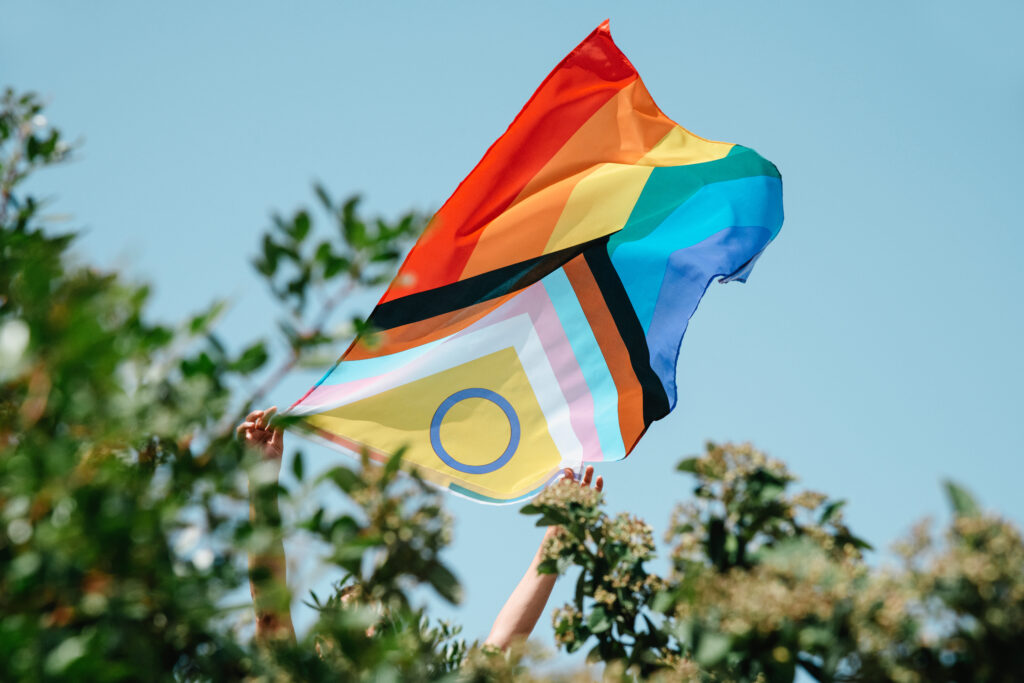
Freedom Has Always Been Expanded by Those Who Demanded It
The United States declared independence in 1776, but the freedoms promised in its founding documents were not immediately extended to everyone. Women fought for the right to vote. Black Americans fought for emancipation and civil rights. People with disabilities fought for accessibility and equal protections. LGBTQ+ people have spent decades demanding recognition, dignity, and legal equality.
Progress has never arrived because those in power generously handed it over. It has come because ordinary people organized, voted, protested, cared for one another, and refused to disappear.
Pride Month itself exists because queer people fought back. The modern LGBTQ+ rights movement was born not from comfort, but from resistance. The first Pride marches were acts of courage in a society that often criminalized and marginalized queer lives.
That history matters today.
Celebrating Independence Day as a queer person doesn’t require pretending everything is perfect. In many ways, it means embracing the very American tradition of continuing the fight to make the nation live up to its ideals.
Pride Doesn’t End on June 30
One of the greatest misconceptions about Pride is that it belongs to a single month. Pride is not a corporate logo wrapped in rainbow colors. It’s not confined to a parade route or a festival stage. Pride is the daily act of existing authentically in a world that sometimes asks us not to.
That means Pride continues in July.
It continues when we support LGBTQ+-owned businesses. It continues when we check in on friends who are struggling. It continues when we show up for transgender people whose rights and dignity are under attack. It continues every time we choose visibility over silence and community over isolation.
The rainbow flags may come down, but Pride remains.
Ways to Celebrate—and Resist
Finding meaning in Independence Day doesn’t have to involve choosing between celebration and activism. In fact, the two often go hand in hand.
Celebrate Queer Community
Host a cookout, attend a local gathering, or invite friends over to watch fireworks. Community has always been one of the LGBTQ+ community’s greatest strengths. Creating joyful spaces together is not frivolous—it’s an act of resilience.
Support LGBTQ+ Organizations
Consider donating to local organizations that provide healthcare, housing, legal services, or advocacy. Even small contributions help strengthen the networks that protect vulnerable members of our community year-round.
Use Your Voice—and Your Vote
One of the safest and most effective forms of resistance remains civic engagement. Register to vote, stay informed about local elections, contact elected officials, and support candidates who advocate for equality. Change often happens first at the local level.
Show Up for Trans People
Many transgender Americans are carrying a tremendous emotional burden right now. Listen to trans voices, share accurate information, challenge misinformation when it’s safe to do so, and support organizations led by trans advocates. Solidarity matters.
Take Care of Yourself
Activism without rest leads to burnout. It is okay to step away from the headlines. It is okay to laugh with friends, spend time outdoors, and celebrate moments of joy. Protecting your mental health is not abandoning the fight; it’s sustaining yourself for the long haul.
A Different Kind of Patriotism
There is a version of patriotism that demands unquestioning loyalty. But there is another version—one that may feel more familiar to many LGBTQ+ Americans.
It is the belief that loving your country means wanting it to be better.
It means acknowledging its shortcomings while refusing to give up on its potential. It means believing that freedom should belong to everyone, not just a select few. It means holding America accountable to the promises it has made, even when doing so is uncomfortable.
Queer people have always been part of the American story. We have served in the military, led businesses, created art, built communities, raised families, and contributed to every aspect of society. Our presence is not a recent addition to the national narrative—it is woven into its fabric.
This Independence Day, perhaps the most radical act is neither despair nor denial.
It is hope.
Not passive hope that someone else will fix things, but active hope—the kind that organizes, votes, volunteers, supports, and refuses to surrender. The kind that remembers that every right won by marginalized people was once considered impossible.
The fireworks may celebrate a nation’s birth, but they can also remind us that freedom is not a destination. It is a promise we continue to pursue together.
And that pursuit is something worth celebrating.