
Edited by Mikkel Hyldebrandt
Photos courtesy of WacthVIM
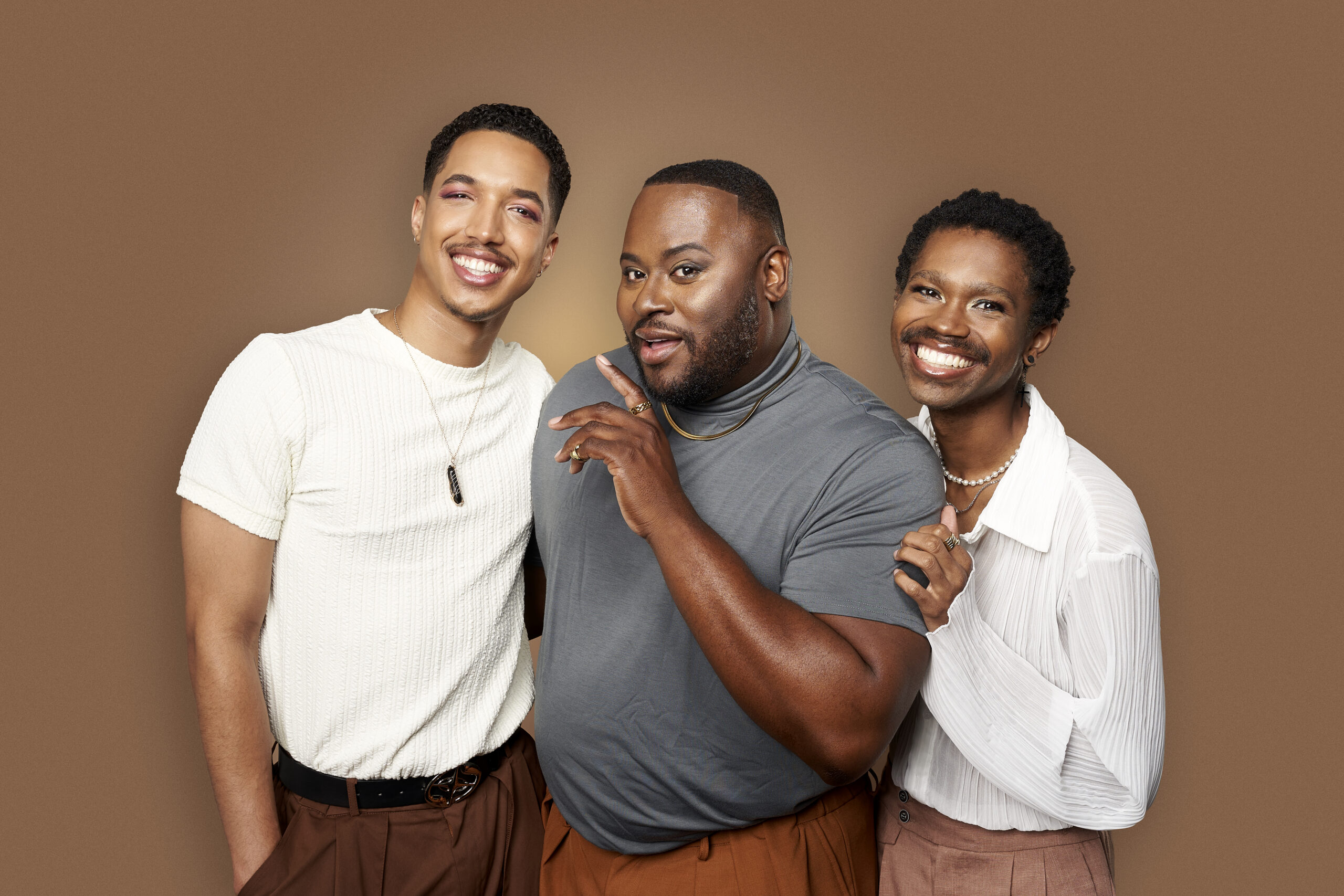
In a genre often defined by lighthearted escapism, Almost Us arrives with something more layered in mind – heat, humor, and a sharp awareness of the world its characters inhabit. Directed by and starring Anthony Bawn, the film blends classic romantic comedy beats with urgent questions about power, visibility, and the cost of belonging.
Set against the stark beauty of Phoenix, Almost Us opens with a familiar rom-com spark: a one-night stand. But what follows is anything but predictable. Darren, a closeted and politically connected real estate developer, finds himself entangled with Jason, an openly queer, deeply rooted community organizer. Their chemistry is immediate – but so are the complications. When Darren’s redevelopment plans threaten the Baldwin Cultural Center, a vital hub for marginalized communities, their relationship becomes a collision point between desire and responsibility.

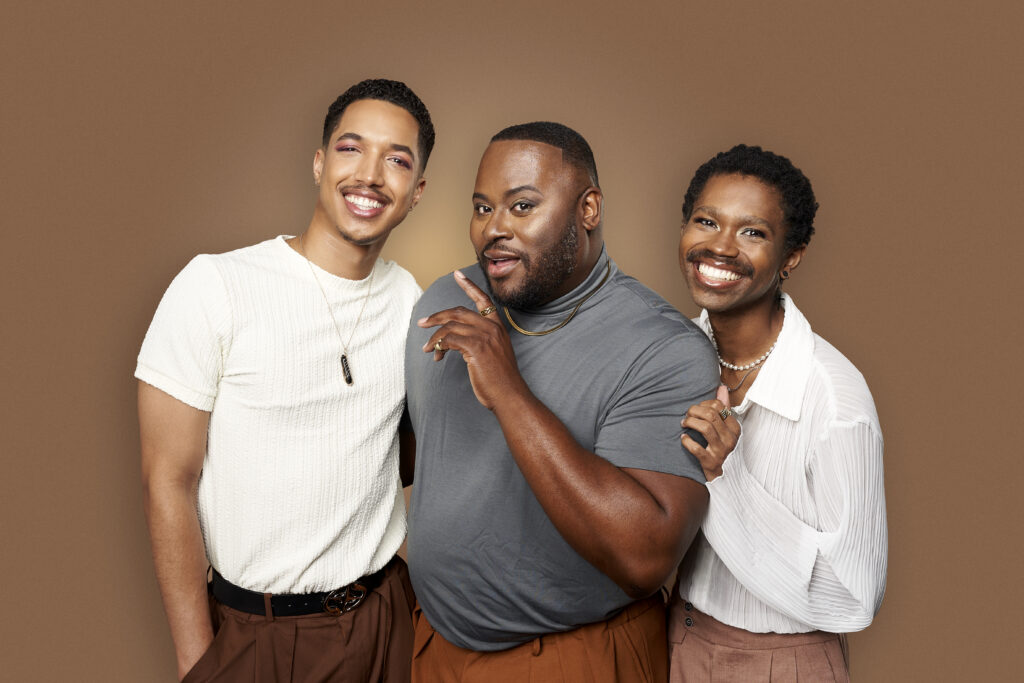
“Awkward run-ins and escalating misfires spark plenty of laughs along the way,” says Bawn, who also stars as Jason. “Darren is used to controlling his image – money, silence, strategy – while Jason leads with truth, community, and heart. Their connection forces them to face what they’ve both been avoiding: the difference between wanting someone and being willing to be seen with them.”
That tension – between private longing and public consequence – drives the film forward. Bawn leans into the gray areas, resisting easy answers in favor of something more honest. “It’s somewhere in between, and that’s what makes it honest,” Bawn explains. “Jason is genuinely drawn to Darren’s tenderness beneath the armor, but he’s not naïve about what Darren represents in the fight to save the center. Love and leverage live in the same room, and the film doesn’t pretend they don’t.”
At its core, Almost Us is both intimate and expansive. It’s a romance, yes – but one grounded in the realities of class, power, and the choices people make to survive. Through Darren, Bawn explores the emotional toll of living behind a carefully constructed façade. “Darren embodies the cost of silence: what it does to your love life, your integrity, and your spirit,” he says. “Privilege can protect you, but it can also imprison you.”

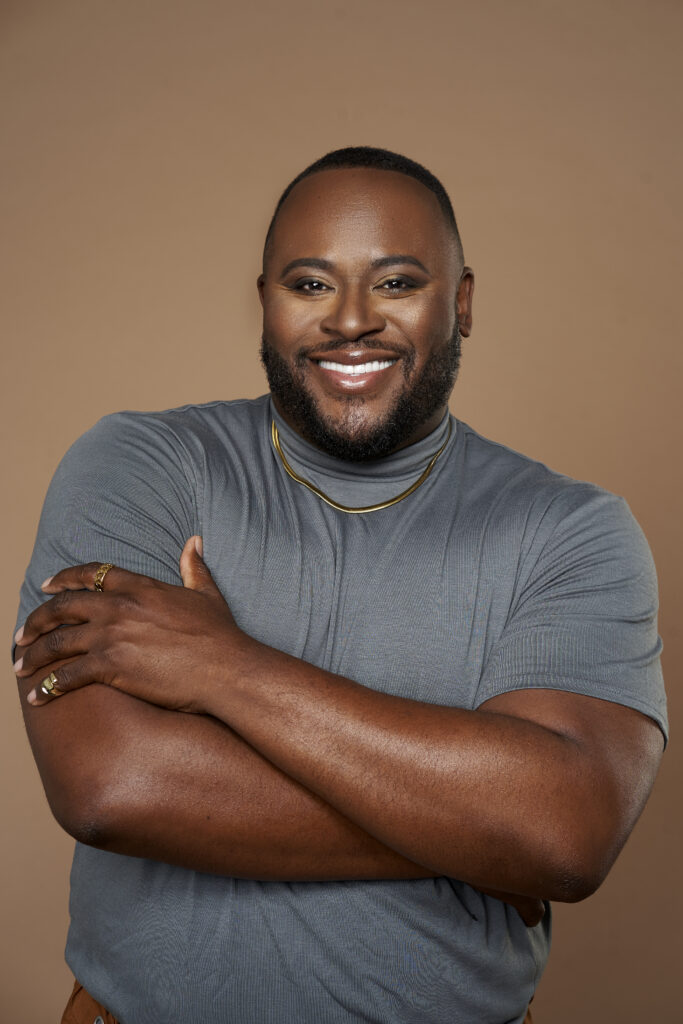
Jason, by contrast, is rooted in authenticity and community. Described as “charismatic, messy in the best way, deeply rooted, and funny as hell when it counts,” he brings both levity and conviction to the story. “His superpower is belief,” Bawn notes. “He believes community can outlast systems that try to erase it.”
That belief is embodied in the Baldwin Cultural Center, the emotional heartbeat of the film. More than just a setting, it represents history, resilience, and the fragile spaces where marginalized people gather and thrive. “It isn’t just a location. It’s a sanctuary, a memory bank, and a lifeline,” Bawn says. “Spaces like it are where marginalized people gather, heal, organize, and breathe. The fight for the center is the fight for belonging and for who gets to shape a city’s future.”
The choice to set the film in Phoenix adds another layer of meaning. “Phoenix is a city of contrasts; the perfect backdrop for a romance comedy with real stakes, with new luxury rising fast and long-time communities fighting not to disappear,” Bawn explains. “The desert heat becomes emotional pressure. The wide streets and open sky can feel freeing or isolating depending on the moment. The city helped us talk about expansion, erasure, and what gets left behind.”
Balancing these themes while directing and starring was no small feat. “The biggest challenge was staying emotionally open while also staying technically sharp; switching from ‘feel it’ to ‘fix it’ in real time,” Bawn shares. “But directing myself allowed me to capture intimacy that feels lived-in, not performed.”
Ultimately, Almost Us pushes queer storytelling beyond familiar narratives. “Queer stories aren’t just about identity,” Bawn says. “They’re about power, class, and how the past complicates the future. The film asks: who gets to be free, and what systems quietly decide that?”
The title itself captures that tension perfectly. “‘Almost Us’ is the ache of a future that’s within reach but not guaranteed,” Bawn explains. “It’s about that painful space between possibility and commitment, between almost and actual.”
Where to Watch
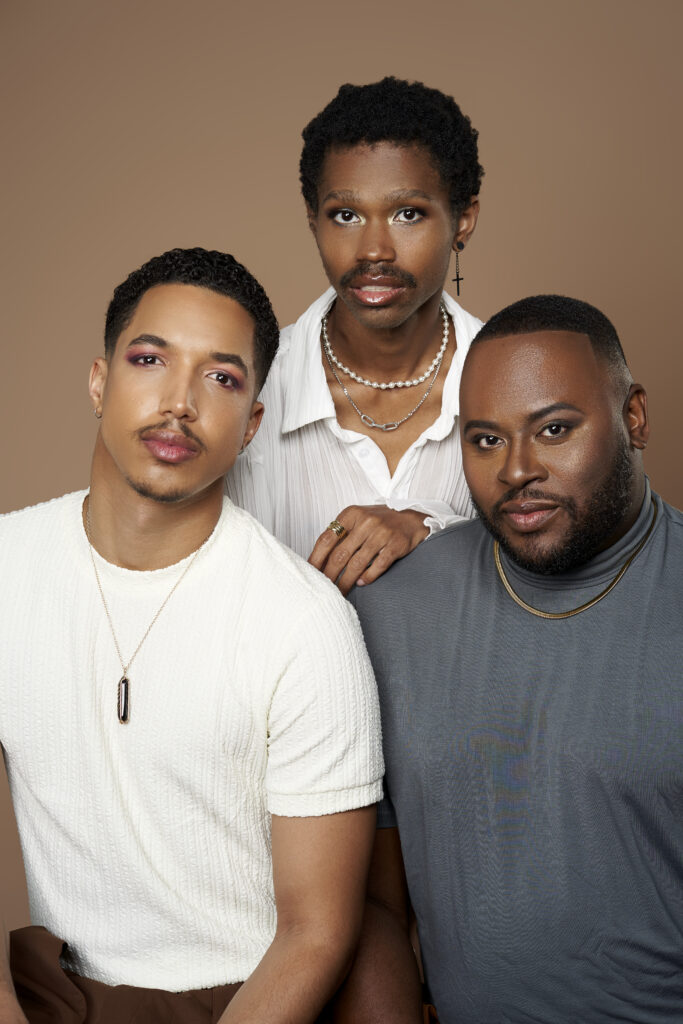
Almost Us premieres April 17 and will stream exclusively on WatchVIM. Subscribers to the platform can access the film on release day, making it an easy at-home watch for anyone craving a queer romance that delivers both laughs and something deeper to hold onto.
With its blend of sensuality, wit, and emotional honesty, Almost Us isn’t just another rom-com – it’s a story about what it means to love in a world where every choice carries weight.