
Edited by Mikkel Hyldebrandt
Fifty years after fishnets first flickered across a midnight movie screen, The Rocky Horror Picture Show remains less a film than a full-blown cultural ritual. And with Strange Journey: The Story of Rocky Horror, director Linus O’Brien delivers a lively, affectionate deep dive into how this once-scrappy oddity became the longest-running theatrical release in history – and a lifeline for generations of outsiders.
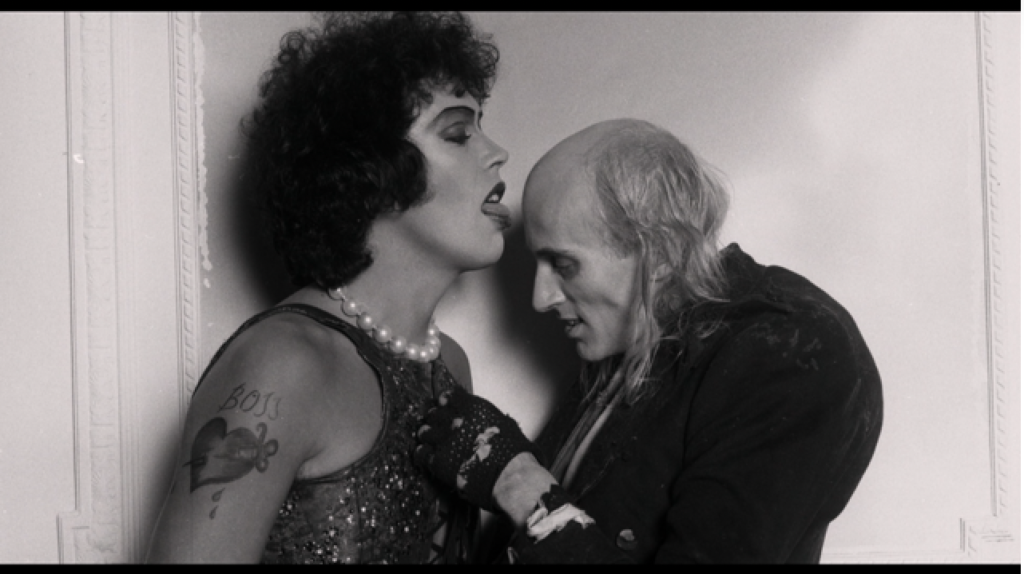
The documentary arrives at the perfect moment, commemorating the 50th anniversary of that first legendary midnight screening at New York’s Waverly Theatre. What began as a quirky adaptation of Richard O’Brien’s London stage musical has since evolved into something far more radical: a participatory, queer-coded rebellion wrapped in corsets, camp, and call-backs. Strange Journey captures that evolution with infectious enthusiasm, charting the film’s unlikely trajectory from box office disappointment to global phenomenon.
What makes Rocky Horror endure isn’t just its iconic performances – though hearing from the original cast, including Tim Curry, Susan Sarandon, and Barry Bostwick, is a genuine delight. It’s the way the film shattered norms long before mainstream audiences were ready. In the mid-1970s, its gleeful embrace of sexual fluidity, gender play, and unabashed weirdness felt revolutionary. Today, it reads as both a time capsule and a still-radical manifesto.
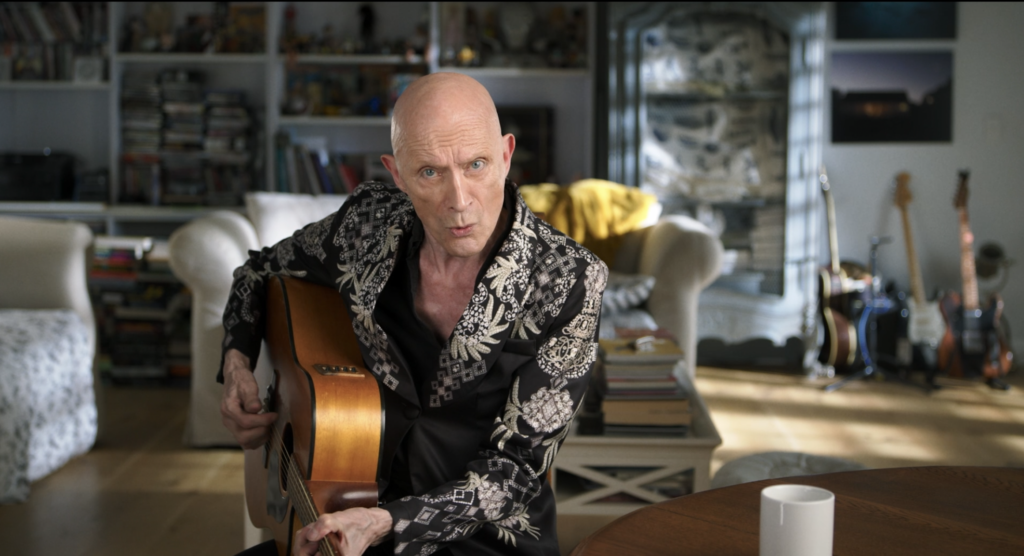
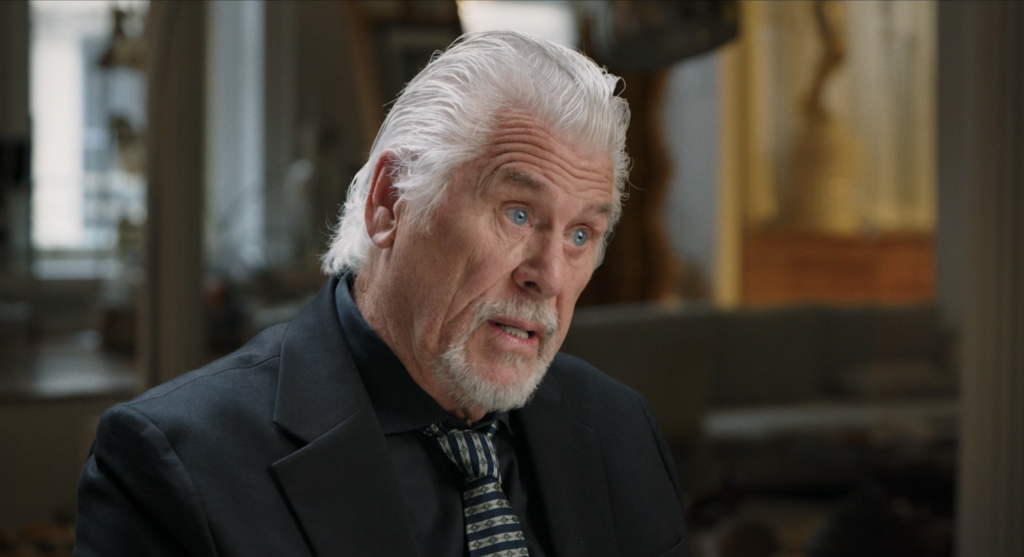

The documentary wisely centers that cultural impact over simple nostalgia. Yes, there’s joy in revisiting the music, the performances, and the behind-the-scenes stories, but the real heartbeat here is the community that formed in the aisles. Midnight screenings became more than showings; they became sanctuaries. For queer audiences especially, Rocky Horror offered something rare: visibility, validation, and permission to be loud, messy, and entirely themselves.
That legacy echoes throughout Strange Journey. Contemporary voices like Jack Black and Trixie Mattel help underline just how far the film’s influence stretches, from comedy and drag to music and fashion. But the film never loses sight of its core truth: Rocky Horror didn’t just influence culture – it created space for people, who had never seen themselves reflected anywhere else.
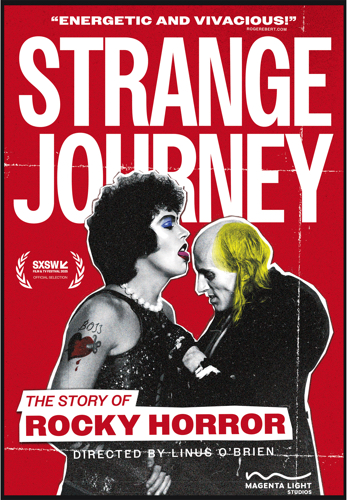
Visually and structurally, the documentary mirrors its subject’s exuberance. It’s fast-paced, celebratory, and occasionally chaotic in the best way, echoing the anything-goes spirit of a midnight screening. While it doesn’t linger too long on any single thread, that breeziness feels intentional – this is less a lecture and more an invitation to join the party.
And what a party it continues to be. In an era where queer rights and self-expression once again feel under pressure, Rocky Horror’s mantra – “Don’t Dream It, Be It” – lands with renewed urgency. Strange Journey doesn’t just remind us why the film mattered; it makes a compelling case for why it still does.
Strange Journey: The Story of Rocky Horror opened in select theaters starting April 24. After its theatrical run, the film is expected to expand to major digital and on-demand platforms, making it accessible for audiences ready to do the Time Warp all over again. And this time with a deeper appreciation for the revolution behind the rhinestones.